Select a Location
Wolves once existed throughout much of Europe. Conflicts with humans and fears originating from religious beliefs, myths and folklore influenced human attitudes towards wolves and, as a result, wolves have been persecuted for hundreds of years. Wolves are currently found in many European countries. The main prey in this region generally consists of ungulate species, including livestock. The legal status of wolves, their population numbers and trends vary from country to country.
SPECIES INFORMATION
Number of wolves: 13,000, not including Russia
*Numbers may be lower or higher due to insufficient research in several countries.
Population trend: Increasing, and areas are expanding
Legal protection: Protected in many countries and considered a game species in some. Persecution or poaching in rural areas occurs despite protection.
The most recent data available varies depending on the country.
SPECIES
Common translated names for wolves in Europe
Common Names: gray wolf, ujku (Albanian), vuk (Croatian), vlk (Czech), ulv (Danish and Norwegian), wolf (Dutch and German), hunt (Estonian), susi (Estonian and Finnish), loup (French), farkas (Hungarian), lupo (Italian), wilk (Polish), lobo (Portuguese and Spanish), lup (Romanian), vlk dravý (Slovakian), volk (Slovene), varg (Swedish), kurt (Turkish), волк (Russian)
Latin Name: Canis lupus
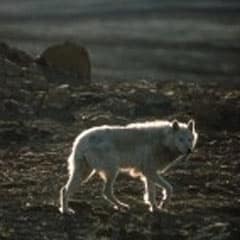
Common Name:
Tundra wolf, Eurasian Arctic wolf
Latin Name:
Canis lupus albus
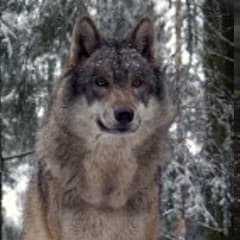
Common Name:
Russian wolf
Latin Name:
Canis lupus communis
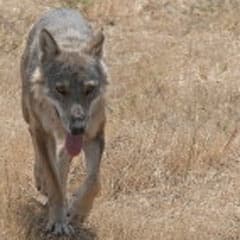
Common Name:
Italian wolf
Latin Name:
Canis lupus italicus
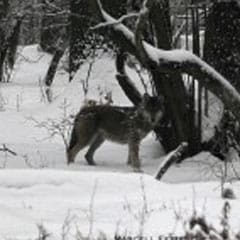
Common Name:
Eurasian wolf
Latin Name: Canis lupus lupus
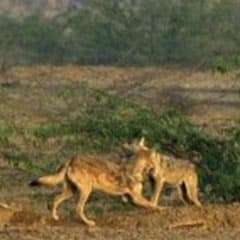
Common Name:
Indian wolf, desert wolf
Latin Name:
Canis lupus pallipes
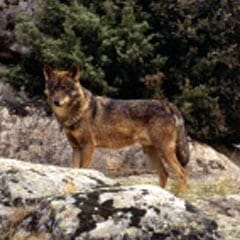
Common Name:
Iberian wolf
Latin Name:
Canis lupus signatus