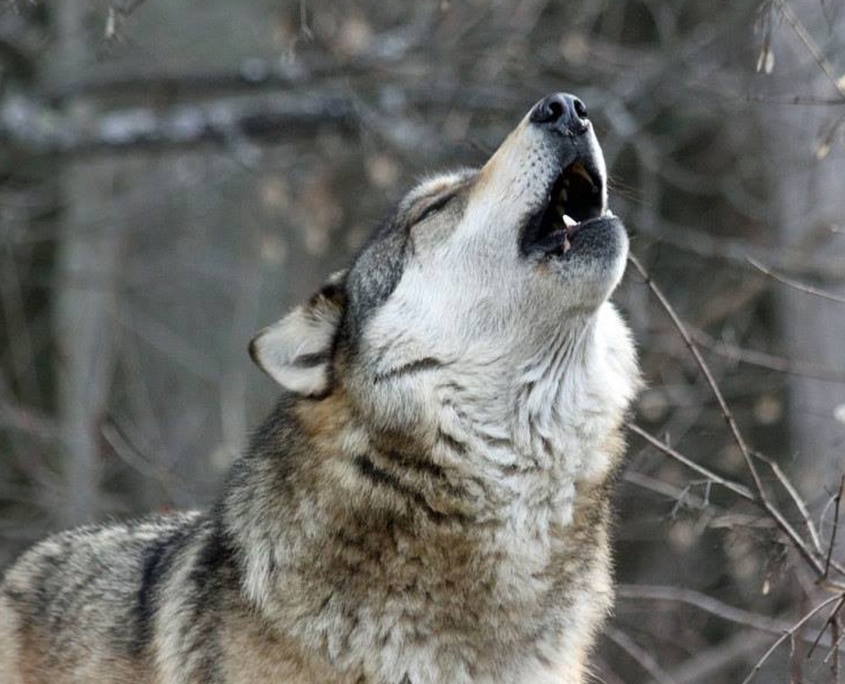
Wolves once ranged over almost all of North America north of Mexico City, except possibly parts of California. Extirpation of gray and red wolf populations began shortly after settlers from Europe arrived. In the United States, the range, population and legal status of wolves varies by state and region.
The main prey for wolves in the United States is moose, deer, beaver, elk, bighorn sheep and mountain goats.
Select a Location
Species Information
Current Wolf Population, Trend, Status
Number of gray wolves:
Alaska, 8,000-11,000;
48 contiguous states, 5,500
Population trend: Increasing
Number of red wolves: Approximately 30 in the wild and approximately 200 in captivity
Population trend: Decreasing
Legal status: A mixture of Federal protection with some exceptions and state management
Follow a manual added link
SPECIES 1
Follow a manual added link
Common Names: gray wolf, haqihana (Arapaho),tasha (Caddo), maicoh (Navajo), lobo (Spanish), Ma’iingan (Ojibwe)
Latin Name: Canis lupus
Gray Wolf
REGION 1
Common Name:
arctic wolf
Location:
Canadian/Alaskan Arctic
Gray Wolf
REGION 2
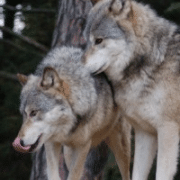
Common Names:
Mexican wolf, lobo
Location:
Southwest United States
Gray Wolf
REGION 3
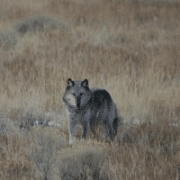
Common Name:
great plains wolf
Location:
Western Great Lakes Area of United States and Canada
Gray Wolf
REGION 4
Common Names:
northwestern wolf, rocky mountain wolf
Location:
Northern Rocky Mountains of United States and Canada
Follow a manual added link
SPECIES 2
Follow a manual added link
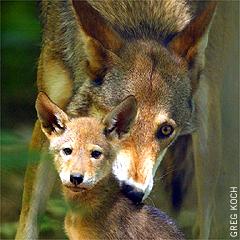
Common Name: red wolf
Latin Name: Canis rufus
Follow a manual added linkPOTENTIAL
POTENTIAL
SPECIES
Follow a manual added link
Designation under debate by the scientific community.
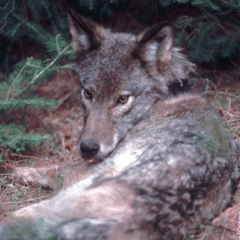
Common Name: eastern wolf, timber wolf
Latin Name: Canis lupus lycaon or Canis lycaon
Location: C. lupus and the potential C. lycaon are indistinguishable from each other physically, behaviorally and ecologically. The only way to tell the difference between them is a genetic test and comparison. Both inhabit the Western Great Lakes states of Minnesota, Wisconsin and Michigan.
Human Relationships
Attitudes and Issues
History
Recovery and Management
- Gray Wolf Recovery News Updates
- How are wolves counted?
- The Challenge and Opportunity of Recovering Wolf Populations
- 10 Things You Need to Know about Wolves and Delisting
- Endangered Species Act of 1973
- The Federal Process of Reclassification and Delisting of the Gray Wolf, Canis lupus
- Wolf Recovery in the Northern Rocky Mountains
- Wolf Recovery in the Southwest
- Wolf Recovery in the Western Great Lakes Area
- Wolf Recovery in the Southeast
- Wolf Recovery in the Pacific Northwest (Washington), (Oregon), (Idaho)
- Wolf Recovery in California
- Depredation
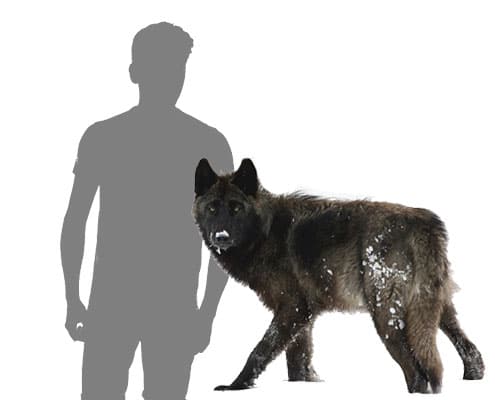
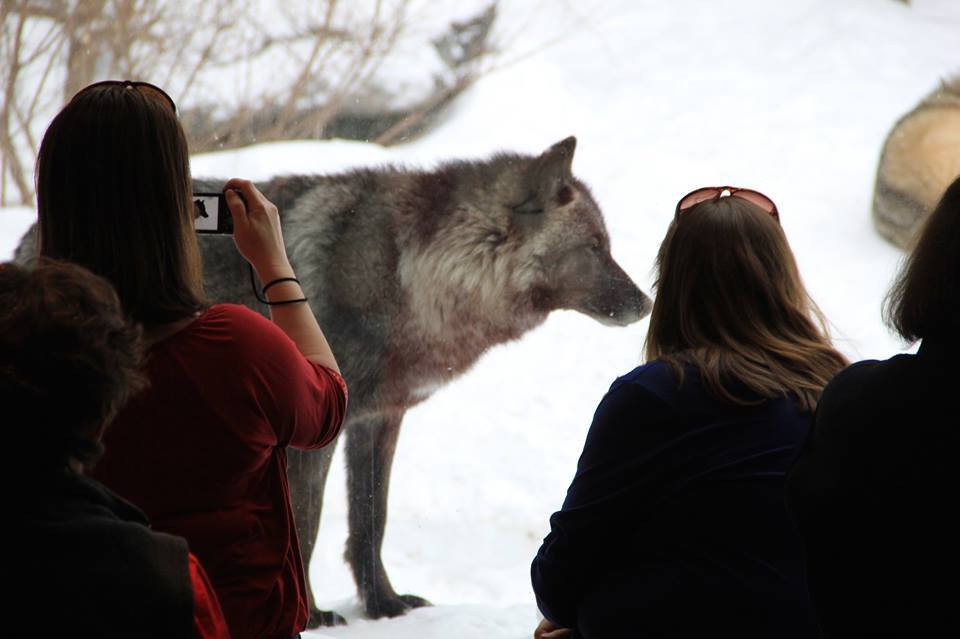
Wolf-Human Interactions
- The Human Dimensions of Wolf Ecotourism in North America
- A Case History of Wolf-Human Encounters in Alaska and Canada by Mark McNay (2.1MB) you need Adobe Acrobat to view this file – download it free here
- The Fear of Wolves: A Review of Wolf Attacks on Humans (2002) (pdf) This document is available via the Norwegian Institute for Nature Research (NINA) with a purpose to provide a foundation for the process of reducing people’s fear of wolves, and to make some management recommendations to reduce the risk of attacks. The goal was to compile existing literature and knowledge on wolf attacks on people from Scandinavia, continental Europe, Asia and North America, and to look for patterns in the cases.
Ecology